
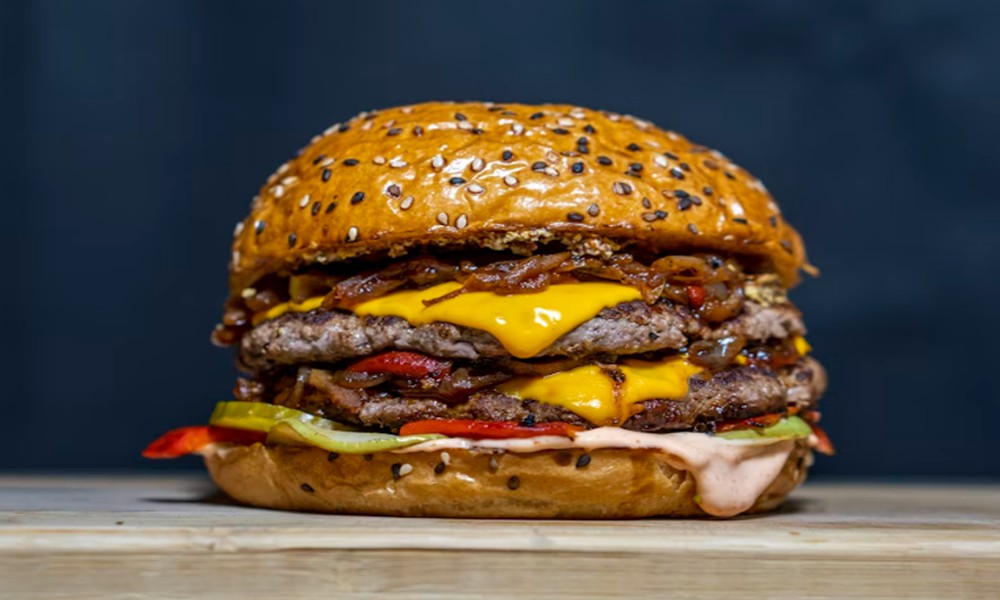
At a glance:
- Cheese performance directly affects burger and sandwich quality, influencing melt consistency, presentation and service efficiency in high-volume kitchens.
- Uneven melting, oil separation and over-softening can disrupt kitchen workflows, increase waste and create inconsistent menu items.
- Hi-Melt cheese is formulated for commercial cooking environments, delivering stable melt behaviour during high-temperature foodservice preparation.
- Consistent cheese performance helps kitchens maintain product quality, streamline service and deliver reliable results across busy service periods.
Cheese plays a central role in many high-volume foodservice items, particularly burgers, sandwiches and other hot menu offerings. It contributes not only to flavour but also to the appearance and texture of the dish.
While taste and visual appeal are important, the functional performance of cheese during cooking is just as critical. In environments using flat grills, clamshell grills and salamanders, cheese must melt predictably so that dishes can move quickly through the assembly line.
When cheese melts unevenly, separates under heat, burns or slides off the dish, the impact extends beyond presentation. These issues can disrupt kitchen workflow, increase waste and make it harder to maintain consistent menu standards.
Many kitchens only notice these problems once they begin affecting service speed and customer satisfaction. Understanding how cheese behaves under commercial cooking conditions helps operators choose formats that support faster, more consistent service.
This article explores the hidden operational costs associated with poor cheese performance and how Hi-Melt cheese slices help maintain consistency in busy kitchens.
Inconsistent Melt Creates Variability in Menu Items
In high-volume kitchens, consistency is essential to maintaining menu standards. Customers expect a burger or sandwich ordered during a busy lunch service to look and taste the same as one served later in the day.
However, some cheeses melt unevenly when exposed to direct heat, resulting in inconsistent coverage across burger patties or within hot sandwiches. This uneven melt can affect the dish’s visual presentation, texture and mouthfeel. Over time, these inconsistencies make it difficult for kitchens to maintain reliable menu standards across different service periods.
Hi-Melt cheese addresses this issue by melting evenly across burger patties and sandwich fillings. The result is consistent coverage, which helps kitchens deliver a more uniform appearance and maintain predictable menu standards.
Cheese Breakdown During Cooking Leads to Waste
Certain cheese types can break down when exposed to sustained heat. Instead of melting smoothly, the cheese may separate into oil and solids, resulting in a greasy surface and uneven texture.
When this happens, the finished product may no longer meet visual or quality expectations. Staff may need to remake items or discard ingredients that no longer meet service standards. Ongoing product waste increases ingredient costs and interrupts the normal pace of service. In busy kitchens, even small amounts of product loss can accumulate over time.
Hi-Melt cheese is designed to retain its structure when heated. This stability during cooking reduces the likelihood of oil separation and helps kitchens avoid unnecessary remakes and ingredient waste.
Poor Heat Tolerance Disrupts Service Flow
Quick-service kitchens rely on high-temperature cooking equipment to maintain speed and output. Flat grills, clamshell grills and salamanders allow staff to prepare large volumes of food quickly, but they also expose ingredients to intense heat.
Cheeses that scorch or burn easily require constant monitoring during grilling or finishing. Staff may need to adjust cooking times or reposition items to prevent overheating. These interruptions slow the assembly process and increase the risk of inconsistent results. In fast-paced kitchens, ingredients must perform predictably under high heat. When components require constant adjustment, service efficiency can suffer.
Hi-Melt cheese is formulated to tolerate higher cooking temperatures. Its stable melt performance allows staff to maintain faster throughput without closely monitoring the cheese during grilling.
Sliding or Over-Melting Affects Product Assembly
Another challenge occurs when the cheese softens too quickly. Excessively soft cheese can slide off burger patties or sandwich fillings before they are fully assembled. This makes assembly more difficult for kitchen staff and can affect the dish’s final appearance.
Cheese that melts beyond the intended coverage area may also complicate plating or final assembly. Over-melting can create additional issues during takeaway and delivery packaging. Cheese that becomes too soft may stick to wrapping or packaging materials, affecting how the product appears when opened by the customer.
Hi-Melt cheese melts smoothly while retaining structural stability. This helps it stay positioned on the patty or within the sandwich, making assembly easier and improving consistency during both dine-in and takeaway service.
Poor Cheese Performance Affects Customer Perception
Customers often associate evenly melted cheese with product quality. A burger or sandwich topped with smooth, uniform cheese looks more appealing and signals careful preparation.
When cheese melts unevenly, separates into oil or develops burnt edges, the finished product may look less appetising even if the flavour remains acceptable. Inconsistent appearance can also affect how customers perceive menu reliability. If products appear different across visits, confidence in the kitchen’s consistency may decline.
Hi-Melt cheese helps maintain a smooth and uniform melt, improving the visual appeal of hot menu items. This consistency in presentation supports a more reliable dining experience and helps reinforce customer expectations.
Cheese performance influences far more than flavour. Uneven melting, oil separation and excessive softening can disrupt service flow, increase ingredient waste and create inconsistencies in finished products.
Hi-Melt cheese is designed to address these challenges by delivering more stable melting behaviour under commercial cooking conditions. With more predictable performance, kitchens can maintain smoother workflows and deliver consistent results across every service period.
If inconsistent melt, oil separation or over-softening is creating service friction, consider sourcing high-quality Hi-Melt cheese from reputable foodservice cheese suppliers. This ensures you have access to slices engineered for consistent melt performance, flavour stability and visual appeal.
