
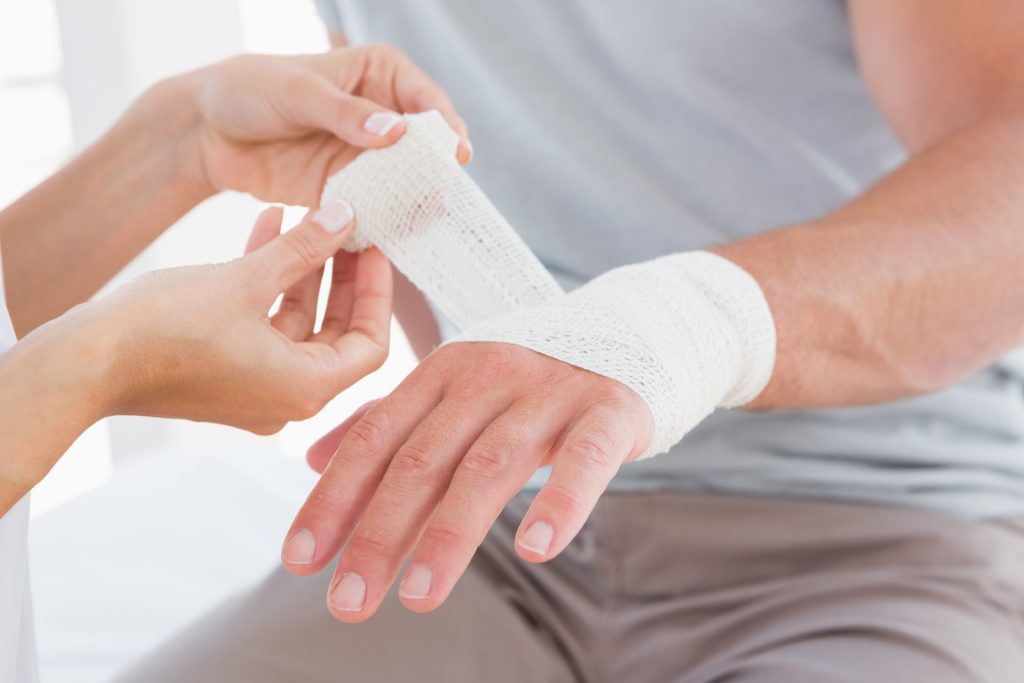
Understanding the Anatomy of Knuckle Bandages: The Unsung Heroes of Wound Care
Why Knuckle Bandages are a Must-Have in Your First Aid Kit
When it comes to wound care, knuckle bandages often go overlooked compared to their more mainstream counterparts such as traditional adhesive bandages or gauze pads. However, these specialized bandages are essential tools for anyone who engages in physical activities, whether in sports, crafts, or even routine household tasks. Knuckle bandages are specifically designed to fit the unique contours of the knuckles, which are among the most frequently injured areas of the hand. This injury susceptibility is due to their prominent positioning and repetitive motion use, making them susceptible to cuts, abrasions, and blisters.
Moreover, having knuckle bandages at your disposal allows you to treat injuries that otherwise might impede your daily activities. Their unique design facilitates mobility while offering necessary protection to bruised or scraped knuckles. To illustrate, when engaging in strenuous activities like boxing or weightlifting, a small cut can lead to significant discomfort. A well-placed knuckle bandage minimizes pain and maximizes your ability to perform at your best. Therefore, integrating these essential items into your first aid kit isn’t just an optimal choice; it’s a proactive measure for safeguarding your hands against the wear and tear of everyday life.
The Unique Design: What Makes Knuckle Bandages Different?
Unlike traditional adhesive bandages that generally accommodate flat surfaces, knuckle bandages encapsulate a curved, anatomical design that conforms to the various shapes of the knuckles. This curvature ensures that the bandage adheres snugly to the skin without slipping or bunching during motion. A successful bandage achieves stability and functionality without compromising on comfort, marrying both in a uniquely designed product intended for flexibility.
Standard bandages may cover the wound; however, they often fail to provide the movement needed in high-action areas, potentially leading to additional abrasions or irritation. Knuckle bandages, with their tapered edges and different size options, wrap effectively around the knuckles while maintaining their moisture-wicking properties. This feature ensures that the wound remains dry and free from bacteria, ultimately speeding up the healing process. Furthermore, many knuckle bandages incorporate advanced materials, such as 3M or silicone gels, that not only support healing but also decrease pain, making these bandages crucial for a complete wound care routine.
Choosing the Perfect Size and Material: A Guide to Comfort and Protection
Finding the Right Fit: Sizing Matters for Effective Healing
The efficacy of a bandage largely hinges on its size and fit. A bandage that is too loose may not provide adequate protection and can lead to further injury, while one that is too tight can restrict blood flow, causing more harm than good. Consequently, knowing the size of your knuckles and understanding how to choose the appropriate bandage is critical for successful healing.
Knuckle bandages typically come in various sizes designed to accommodate different hand dimensions. It’s essential to measure the width and circumference of your knuckles before making a purchase. Most manufacturers provide sizing charts, which serve as excellent resources when selecting the appropriate bandage. Additionally, some brands offer adjustable bandages that feature elastic components or Velcro attachments, allowing for a customizable fit. Features like these can significantly improve wearability and comfort, ensuring that your knuckle bandage stays securely in place even during vigorous activity. Always consider that in a pinch, the right size bandage can be as effective as professional medical aid; therefore, investing in a variety of sizes could be beneficial for your first aid kit.
Material Matters: Exploring Fabric Options for Optimal Performance
When selecting a knuckle bandage, the material should be a primary consideration as different fabrics boast different properties conducive to healing. Traditional adhesive bandages are often constructed from non-woven fabric, mostly made of cotton fibers, which can absorb moisture but might not always provide the best flexibility. In contrast, modern knuckle bandages frequently feature advanced materials such as breathable polyurethane or elastic fabric, offering optimal stretch and tear resistance.
More innovative options now incorporate hydrocolloid materials, which possess exceptional adhesive qualities while promoting a moist environment conducive to healing. This type of material can effectively protect wounds while speeding up the natural healing processes of the skin. Additionally, latex-free options are beneficial for people with allergies, ensuring that anyone can access suitable wound care without the risk of adverse reactions. On top of that, some knuckle bandages are even designed with antiseptic properties, incorporating silver-infused foams to fend off bacterial infections a critical feature especially in sports settings where wounds are more likely to become infected. Choosing the right material significantly influences the bandage’s effectiveness, comfort, and overall healing performance.
Bandaging Techniques: Mastering the Art of Application
Step-by-Step: How to Apply Knuckle Bandages Like a Pro
The application of knuckle bandages might seem straightforward; however, employing proper techniques can significantly enhance the effectiveness of the bandaging. Follow these steps for a reliable application:
- Preparation: Begin by cleansing the wound with soap and water, followed by the application of an antiseptic to prevent infection.
- Choose the right bandage: Based on the size of your injury, select an appropriately sized bandage and lay it flat without peeling off the protective films yet.
- Positioning: Gently position your hand in a comfortable but relatively open position, ensuring that the injured knuckle is easily accessible.
- Application: Peel off the protective cover from the adhesive side, and carefully align the center of the bandage over the wound. Press the bandage down firmly while ensuring that it adheres without bubbles.
- Securing: Make sure that the edges lay flat on the skin and that the material stretches comfortably around the knuckle joint, allowing for optimal movement.
- Test mobility: Move your fingers gently to confirm that the bandage stays in place during motion. If it feels loose or restrictive, remove it and choose an alternative that fits better.
Following these systematic steps can help you master the art of applying knuckle bandages and make the healing process efficient and comfortable.
Common Mistakes to Avoid: Ensuring Your Bandage Stays Put
Even small errors in application can undermine the effectiveness of your knuckle bandage. One of the most common mistakes is inadequate cleaning of the wound before applying the bandage. Dirt and bacteria can infiltrate the wound site, leading to infection and delayed healing. Always prioritize cleanliness when dealing with any injury. Similarly, failing to allow an adequate drying time for antiseptics can cause the adhesive not to stick properly, risking detachment at critical times.
Another common oversight is choosing an inappropriate size or type of bandage for your injury. If the bandage does not fully adhere, it may slip or fall off, exposing the wound to irritants. Testing the bandage’s adherence before moving about or engaging in activity is crucial, as it allows you to recognize if adjustments are needed. Lastly, don’t forget about the limits of the bandage. If the wound appears to worsen despite application, or shows signs of infection such as increased redness or pus, seek professional medical advice. Understanding and avoiding these pitfalls ensures that your bandaging techniques deliver optimal results.
Advanced Tips and Tricks: Level Up Your Bandaging Game
Innovative Uses: When Knuckle Bandages Go Beyond Wounds
Knuckle bandages can do much more than provide a protective barrier for wounds on your knuckles. Their versatile design lends itself to various innovative uses that are worth exploring. For instance, athletes often use these bandages to prevent blisters not just on knuckles but also on fingertips during rigorous training sessions. This small change in bandaging can mean the difference between a distracting blister and a pain-free workout. The adhesive properties of knuckle bandages make them useful for securing splints or stabilizing fingers post-injury.
In everyday scenarios, knuckle bandages can also be employed creatively; consider using them to stabilize a ring that does not fit well, temporarily. They can be cut and adjusted to provide support where needed. Moreover, in a pinch, they can serve as improvised grips when performing weightlifting exercises, ensuring a better hold on the bar or dumbbell. This flexible application showcases the utility of knuckle bandages as more than just means to treat injuries but as multifunctional tools ideal for a variety of situations.
Storing and Reusing: Sustainability Practices for Bandage Lovers
The issue of sustainability has become increasingly prominent in recent years, causing consumers to consider the environmental impact of everyday items including bandages. While single-use bandages are the norm, don’t overlook reusables made from more durable materials. Some brands now produce washable, non-adhesive knuckle bandages that can be reused multiple times, significantly reducing waste compared to disposable options.
When storing your bandages, ensure they are kept in a cool, dry place and away from direct sunlight to maintain their adhesive properties. Utilize resealable bags or dedicated containers to keep them organized and prevent them from sticking together or becoming damaged. For those invested in recycling, check with local guidelines for their disposal. Some manufacturers encourage recycling programs, allowing responsible consumers to return their used products for repurposing. As we become more environmentally conscious, employing such sustainable practices in your wound care regimen is not just beneficial for your health but also for the planet.
