
 Sushi Rice Secrets: Why Shari Makes or Breaks Sushi
  How to Choose the Right Catering and Function Venue in Sydney
  How to Choose the Right Catering and Function Venue in Sydney
  Top Restaurants and Lunch Spots in Bozeman
  Top Date Night Spots: Romantic Picks from the Best Restaurants in Salt Lake City
  Event Catering Ideas for Corporate Breakfasts in Orange County
  Smart Event Catering Choices in Melbourne That Make Hosting Easier
  The Most Effective Methods For Cooking Potatoes Without Losing Nutrients
  5 Food Packaging Trends That Actually Matter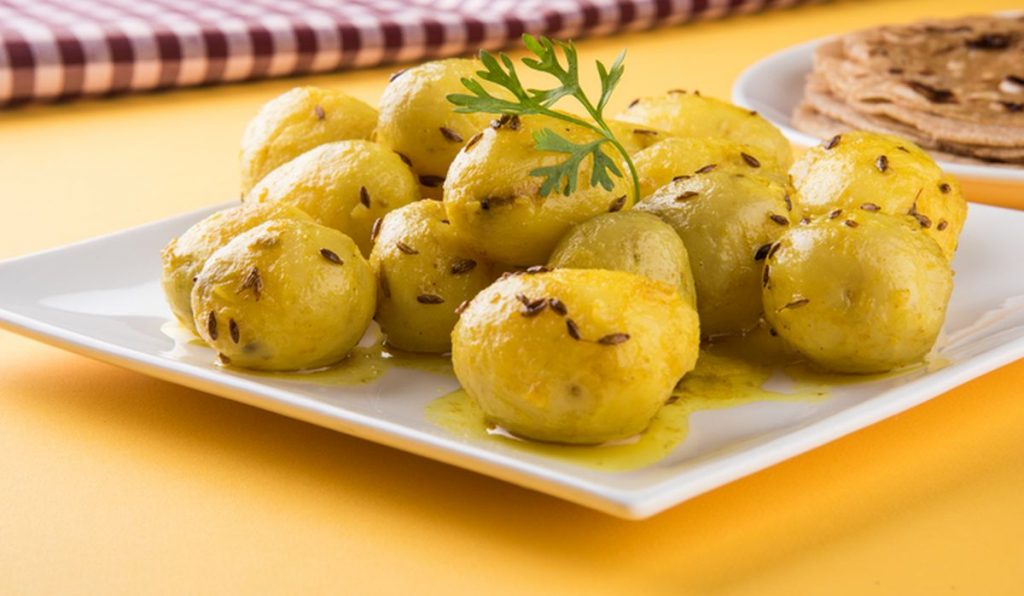
Potatoes typically get classified as “just carbs,” yet that image ignores the larger story. They are abundant in potassium, fiber, vitamin B6, and vitamin C. The actual problem is not the potato itself but how it is cooked. Cooking procedures may either preserve those nutrients or drain them away. If you’ve ever pondered the question, “Are potatoes good for you?” the answer mostly relies on what occurs in your kitchen.
Understanding how heat, water, and cooking time influence nutrients may help you receive the maximum health advantages from every mouthful.
Why Nutrients Get Lost During Cooking
Potatoes include water-soluble vitamins, including vitamin C and some B vitamins. These nutrients are sensitive to heat and may dissolve into water while cooking. Long cooking periods, high temperatures, and heavy peeling can lower nutritional value.
Minerals like potassium are more stable, but they may still leach into boiling water. That is why the approach you select counts just as much as the materials.
Whenever Possible, Keep The Skin On
One of the simplest methods to conserve nutrients is to boil potatoes with the skin. The skin includes fiber and antioxidants, and it also functions as a protective barrier. When potatoes are peeled, a greater surface area is exposed to water and heat, increasing nutritional loss.
Scrub the potatoes thoroughly and leave the skin intact for boiling, baking, steaming, or roasting. This simple practice has a considerable effect on the final nutritional composition.
Boiling The Right Way
Boiling is frequent; it may cause nutritional loss if done improperly. Since vitamins may leach into water, use as little water as possible and prevent overcooking.
Start with complete or huge chunks instead of little cubes. Smaller pieces have more exposed surface area, which leads to more nutrients exiting. Add potatoes to already boiling water rather than having them sit in water while it warms up. Cook till soft but not mushy. Some of the nutrients that leached out may be recovered by using the cooking water in soups or gravies.
Steaming For Maximum Retention
One of the finest ways to preserve nutrients is to steam them. Because the potatoes do not sit immediately in water, fewer vitamins are lost. The mild heat also helps retain texture and taste.
Place whole or big slices of potatoes in a steamer basket over boiling water. Cover securely so the steam circulates. This approach maintains more vitamin C and B vitamins compared to boiling, making it a sensible alternative for regular meals.
Baking Without Overdoing It
Another great technique to prepare potatoes without losing their nutrients is to bake them. There is less loss of water-soluble vitamins since there is no water involved. Bake potatoes whole, with skin, at moderate heat until just soft.
Avoid wrapping them firmly in foil for lengthy durations at extremely high heat, since this might overcook them and diminish vitamin levels. A basic baked potato with minimal toppings like olive oil, herbs, or yogurt-based sauces makes the meal healthful.
Carefully Roasting
Roasting enhances taste while maintaining numerous nutrients. Roast potatoes at a moderate temperature after chopping them into bigger pieces and gently tossing them with healthy oils. Long-term exposure to very high temperatures may break down certain nutrients and produce less beneficial chemicals.
Instead of using thick sauces, use herbs and spices to highlight the natural advantages of potatoes.
Surprisingly Effective Microwaving
Microwaving has a terrible name, yet it is really one of the most nutrition-friendly ways. The short cooking time and minimum water exposure help retain vitamins. Cook potatoes whole or in big slices, with skin, and prevent overcooking.
Methods To Limit
Deep frying considerably boosts calories and fat while subjecting potatoes to extremely high temperatures that may damage nutrients. Heavy processing, like converting potatoes into chips or overly processed items, also diminishes their nutritional content.
The Bottom Line
Potatoes may undoubtedly be part of a healthy diet. They maintain more of their inherent healthiness when served with their skins, cooked for shorter periods of time, and exposed to less water. Careful boiling, steaming, baking, gentle roasting, and microwaving are all smart choices.
So next time someone asks, ” Are potatoes good for you, the best response is yes, especially when you prepare them in ways that maintain the nutrients nature placed there in the first place.